

1. Burn Fat for Energy
One of the biggest benefits of keto is that it transforms your body into a fat-burning machine! By cutting down on carbs, you push your body into a state called ketosis, where it switches from burning sugar (glucose) to burning fat for energy. This means you’re not just relying on what you eat for fuel—you’re using your own fat reserves. Plus, with fewer carbs, your body has less sugar to turn into fat, making it easier to shed unwanted pounds and keep them off. It’s like having a personal fat-fighting superhero working 24/7!

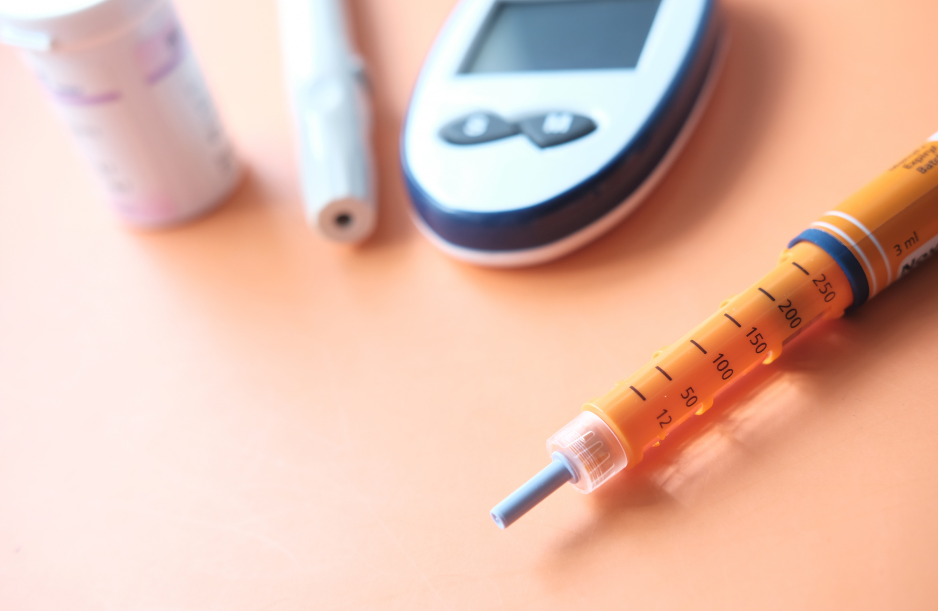
2. Support for Managing Type 2 Diabetes
The ketogenic diet may offer promising benefits for individuals with type 2 diabetes. By reducing carbohydrate intake, the diet may help stabilize blood sugar levels, minimizing sharp fluctuations that can be harmful. Some research suggests that following a keto diet as part of a continuous care plan could lower the risk of cardiovascular disease, strokes, and complications associated with diabetes.
Additionally, studies indicate that keto may drastically reduce both blood sugar and insulin levels. Some individuals with type 2 diabetes have reported needing less glucose-lowering medication within months of adopting the diet. However, if you’re considering keto and take medication, it’s essential to consult your doctor first to ensure safe adjustments to your treatment plan and prevent risks. With proper guidance, keto could be a supportive tool for diabetes management!
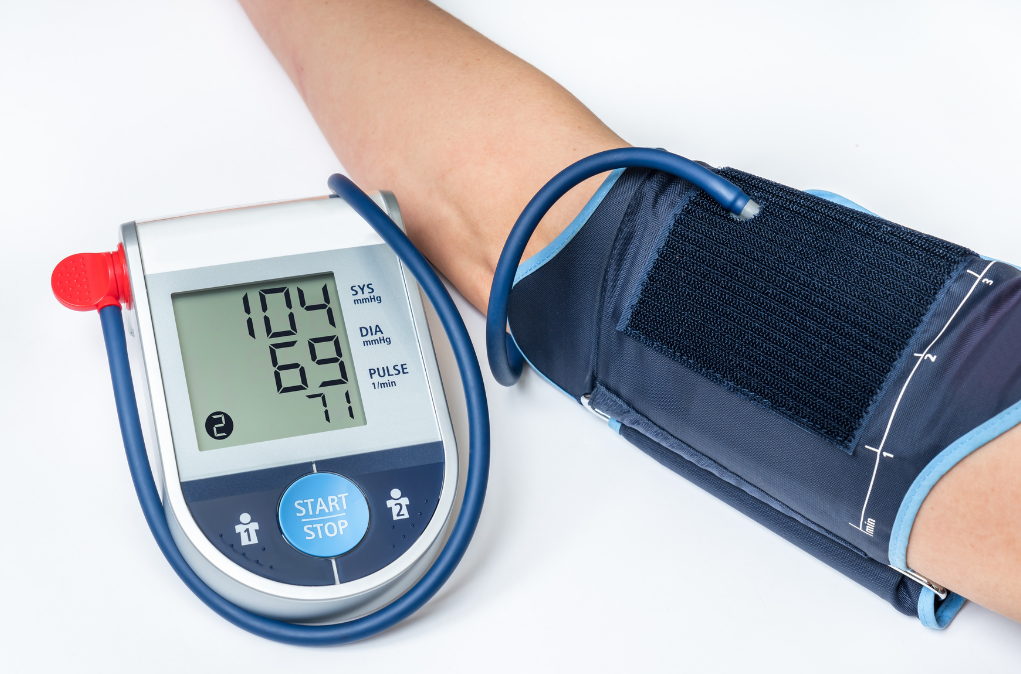
3. Lower Blood Pressure Naturally
A low-carb or keto diet may be a powerful tool for managing high blood pressure, often called “the silent killer.” Research suggests that a low-carb approach can be more effective in reducing blood pressure than some weight loss medications, with participants on such diets being twice as likely to see improvements.
One way keto may help is by addressing how the body processes sugar and salt. With fewer carbs in your diet, your body tends to eliminate more salt through urination, which can contribute to lower blood pressure. For those struggling with hypertension, exploring a keto lifestyle could be a natural and impactful step toward better health.
4. Improved Insulin Sensitivity
Insulin resistance, a condition where cells don’t respond well to insulin, can lead to elevated insulin levels and increase the risk of chronic diseases like type 2 diabetes and obesity. A ketogenic diet may help improve insulin sensitivity by reducing carbohydrate intake, which lowers blood sugar levels and decreases the body’s need for insulin. As insulin levels drop, sensitivity to this vital hormone may improve, helping the body regulate blood sugar more effectively. Additionally, the weight loss often associated with low-carb diets can provide extra support for improving insulin sensitivity. For those managing insulin resistance, adopting a keto lifestyle could be a valuable step in promoting metabolic health.

5. Drop in Triglycerides
Triglycerides are fat molecules in your bloodstream, and high levels—especially after fasting—are a known risk factor for heart disease. One major culprit behind elevated triglycerides is a diet high in carbohydrates, particularly simple sugars like fructose.
Adopting a low-carb or ketogenic diet may lead to a significant reduction in triglycerides. By cutting carbs, your body produces fewer of these fat molecules, helping to lower your risk of heart-related issues. Interestingly, low-fat diets can sometimes have the opposite effect, causing triglyceride levels to rise. For a heart-healthy boost, reducing carbs may be a smarter choice!

6. Improved ‘Bad’ LDL Cholesterol Levels
High levels of “bad” LDL cholesterol are a known risk factor for heart attacks, but not all LDL is created equal. Smaller LDL particles are more harmful, as they’re closely linked to heart disease, while larger particles are less risky.
A low-carb or ketogenic diet may help by increasing the size of LDL particles, making them less dangerous. Additionally, it may reduce the total number of LDL particles circulating in your bloodstream. By cutting carbs, you might improve your heart health and reduce the risks associated with LDL cholesterol.

7. Goodbye CRavings and Hunger
One of the standout benefits of the keto diet is its ability to curb cRavings and hunger, making it easier to stick to your healthy eating plan. Unlike traditional diets that often leave you fighting off constant hunger, the keto diet helps you feel fuller for longer.
The secret lies in running on ketones instead of glucose. With fewer blood sugar fluctuations, you’re not hit with the energy crashes that usually trigger cRavings. Additionally, keto positively affects hunger hormones like leptin and ghrelin, which help control appetite. On keto, you can say goodbye to those overwhelming hunger pangs and cRavings!

The ketogenic diet offers a wide range of health benefits that extend beyond just weight loss. From improving insulin sensitivity and lowering blood pressure to reducing cRavings and supporting heart health, keto can be a powerful tool in achieving long-term wellness. By focusing on healthy fats and cutting back on carbs, you can help regulate blood sugar, improve cholesterol levels, and enhance overall metabolic function. If you want to know more about how keto can help with diabetes management, check out our Keto & Diabetes page!