
To recap, the ketogenic diet is like flipping your body’s fuel switch! By cutting back on carbs and embracing healthy fats, you nudge your body into a state called ketosis. In this state, fat is broken down into ketones, an efficient alternative to glucose for energy.
Now, let’s dive into how you can kickstart your very own keto journey!
1. Embrace Fat: It’s Your New Best Friend!
Let’s talk about fat—healthy fat, that is! For decades, we’ve been bombarded with the idea that fat is bad, but guess what? On keto, fat is the star of the show. It fuels your body, helps you absorb nutrients, supports hormone production, and even keeps your cells happy. Your body needs it.
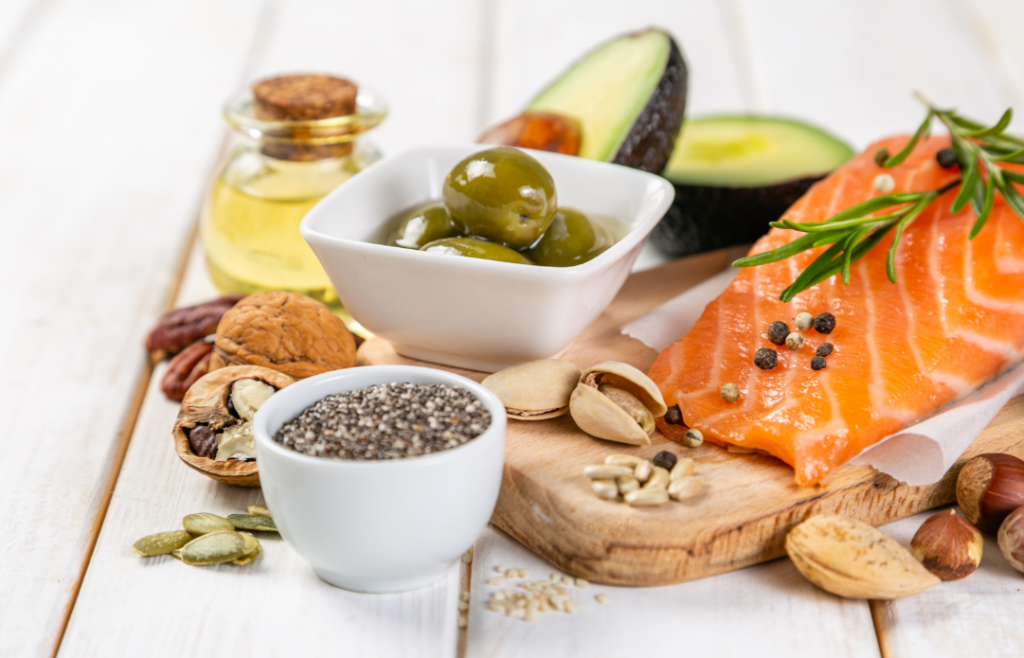
Think of it this way: the low-fat craze of the ’80s and ’90s brought us “healthy” processed foods packed with sugar and chemicals to make up for missing fat. Now, we know better. Fats like olive oil, avocado oil, butter, and even MCT oil (your keto secret weapon) are here to help—not hurt.
Here's the deal:
- Fat will make up about 70% of your daily calories on keto. This might sound like a lot, but since fat has more calories per gram than protein or carbs, it’s not as much food as you’d expect.
- Instead of focusing on numbers, think about your plate: add more avocado, olive oil, and fatty fish.
- Gradually increase your intake of healthy fats. Start small—drizzle olive oil on your salads, cook your veggies in butter or avocado oil, or add a slice of cheese to your meals.
If your diet has been low in fat for years, your body might need time to adjust. Adding too much fat too quickly can overwhelm your system, causing discomfort or bloating. Start slow and give your body time to adapt—it will, and you’ll feel amazing.
2. Keto Kick-off: What to Eat When Starting Your Keto Journey
Transform Your Plate: Healthy Keto Is About Nourishment!
Switching to keto means rethinking how you eat—but don’t worry, it’s not as complicated as it sounds! A healthy keto diet focuses on more than just cutting carbs; it’s about giving your body the right fuel to thrive.
Here's what you need to know:
- Not all keto diets are created equal. Traditional keto often focuses on low carbs and high fat but can include processed foods, unhealthy fats, and synthetic additives. Sure, you might lose weight, but at what cost to your overall health?
- Healthy Keto flips the script. It’s not “lose weight to get healthy,” but rather “get healthy to lose weight.” This approach prioritizes high-quality, nutrient-dense foods like organic vegetables, wild-caught fish, pasture-raised meats, and full-fat organic dairy.
What does this look like in practice?
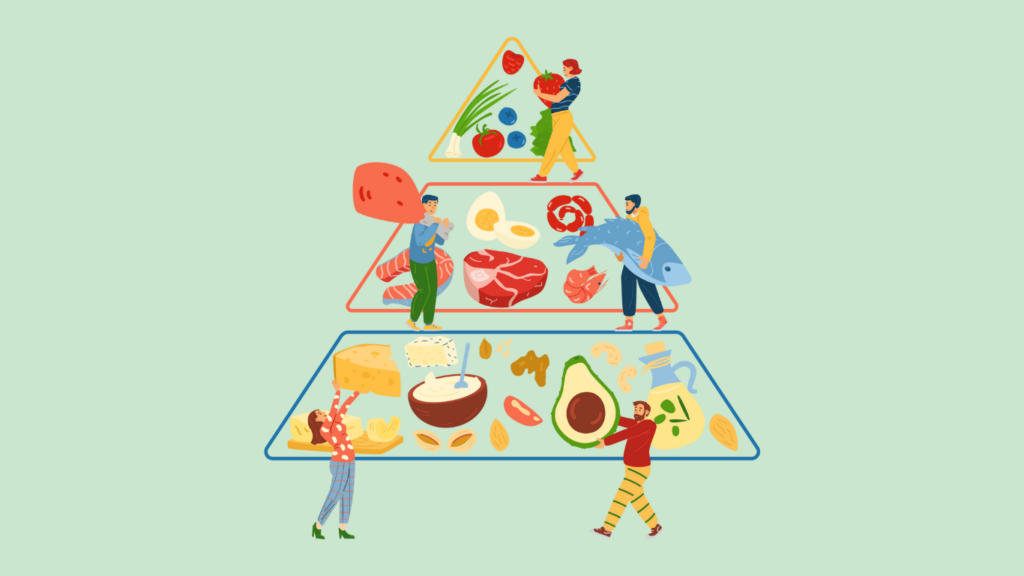
- Fat: 70% of your daily calories will come from healthy fats like avocado, olive oil, butter, and fatty fish.
- Protein: 20% of your calories should be from quality protein sources, like grass-fed beef, free-range eggs, and wild-caught salmon.
- Clean Carbs: 5% of your calories come from non-starchy vegetables like spinach, broccoli, and zucchini.
- Other Carbs: Another 5% may include small amounts of other carb sources if needed.
Key principles to follow:
- Eat low-carb, high-fat foods to help your body tap into its own fat stores while in ketosis.
- Choose foods that give your body the nutrients it needs to be healthy.
Say Goodbye to Sugar: The Key to Fat-Burning and Better Blood Sugar Control
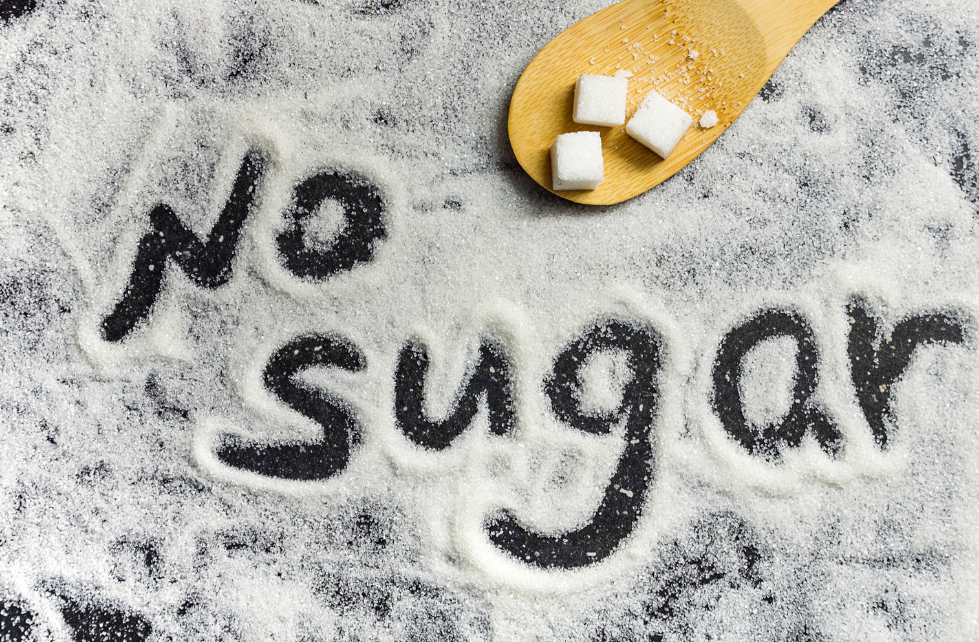
Sugar might taste sweet, but it’s the ultimate buzzkill for your keto journey. To get into ketosis and stay there, you’ve got to ditch sugar and anything that turns into sugar quickly—like wheat, corn, rice, cereal, and most fruits. Why? Because when sugar’s in the mix, your body burns it first, and those amazing fat-burning, weight-loss benefits of keto? Gone.
Here's the deal:
Sugar sneaks into foods and drinks in all sorts of disguises. It’s a shape-shifter! Be a label detective and look out for:
- Table sugar
- Anything ending in “-ose” (like fructose,glucose, dextrose etc)
- Honey
- Maple syrup
- Brown sugar
- Agave nectar
- Maltodextrin
- High-fructose corn syrup
- Rice syrup
- Juice
- Alcohol
To stay on track, make reading nutrition labels your new superpower. Once you eliminate sugar, your body will finally get the message to burn fat for fuel. Say goodbye to sugar and hello to the energetic, fat-burning keto life!
Get the Right Amount of Protein for Keto Success
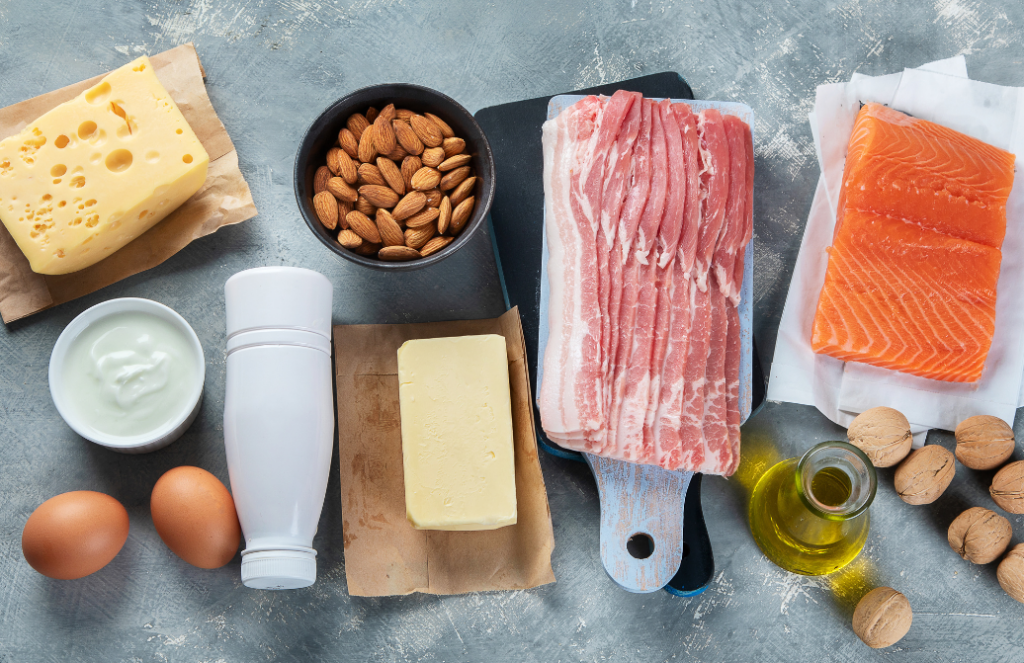
On keto, it’s important to balance your protein intake! Stick to 3-6 ounces of protein per meal, depending on your metabolism, activity level, or size. Too much protein can lead to it being converted into glucose, which can knock you out of ketosis.
Keep it moderate, and your body will stay in fat-burning mode, fuelling your keto journey the right way!
Keep Carbs Low, Choose the Right Ones!
To stay in ketosis, limit your net carbs (that’s total carbs minus fiber and sugar alcohols). Focus on low-carb veggies, like leafy greens, and enjoy a small handful of berries. These are your keto-friendly carbs!
And if you’re worried about missing your favorite carb-loaded foods, don’t sweat it! Once your body adapts to burning fat, cRavings will subside, and you might not even miss them. Plus, there are plenty of tasty keto-friendly swaps to keep you satisfied!
Keto Veggies: Nutrient-Packed and Carb-Smart
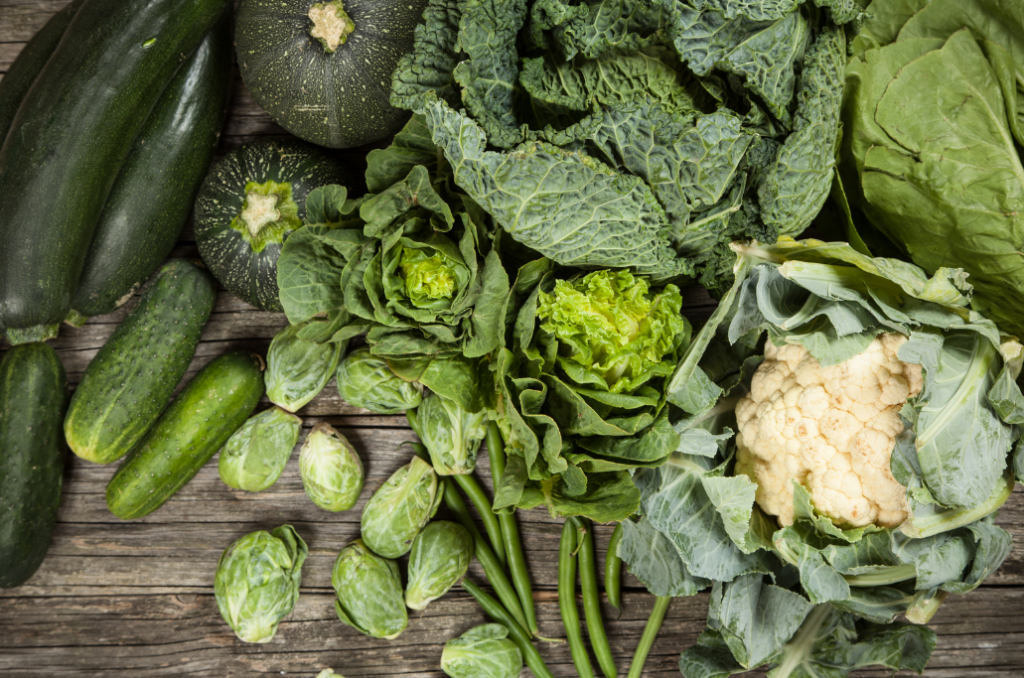
Eating the right veggies is key to staying healthy on keto! Stick to green leafy veggies (like spinach, kale, and lettuce) and cruciferous vegetables (like broccoli, cauliflower, and Brussels sprouts). These are nutrient-packed and will help keep you in ketosis.
And don’t forget about avocados—they’re technically fruits, but their healthy fats make them a perfect keto snack. With only 2 grams of carbs per avocado and packed with fiber and potassium, they’re your keto go-to!
Avoid corn and soy, as they’re often genetically modified (GMO) and don’t fit well into the keto plan.
Drink Your Way to Keto Success!
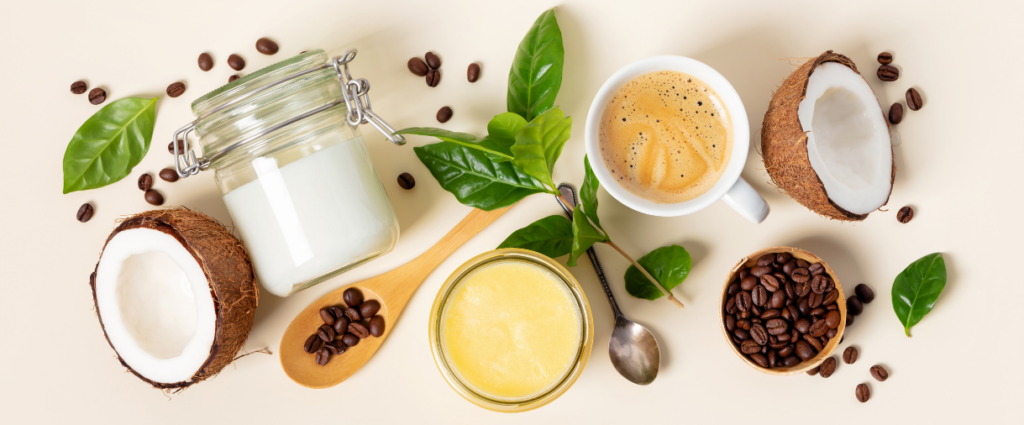
When it comes to staying hydrated on keto, water is your best friend! Stick with filtered or spring water, sparkling or still—whatever you prefer. But don’t worry, there are plenty of tasty options to keep things interesting.
Here’s a list of keto-friendly drinks that can keep you refreshed and on track:
- Herbal tea (naturally decaffeinated is best)
- Lemon water for a zesty twist
- Bone broth to nourish and hydrate
- Sparkling water with no sugar added
- Apple cider vinegar mixed with spring water (great for digestion!)
- Unsweetened almond milk
- Coffee (but keep it to one cup a day, and skip the sugar)
Now, for the drinks to avoid—these are the ones that can throw off your progress:
- Diet sodas and anything with artificial sweeteners (like aspartame or Splenda)
- Alcohol (sorry, it’s a no-go for ketosis)
- Fruit juices and sweetened drinks (too much sugar)
- Milk (stick to cream if you need it!)
Delicious Keto-Friendly Food Swaps
Starting keto doesn’t mean giving up on all the foods you love—it’s about finding tasty alternatives that work for your new lifestyle. There are plenty of delicious, low-carb swaps that will keep your meals exciting and satisfying. Let’s dive into a few examples:
- Desserts: Instead of sugary treats, try berries with heavy whipping cream. They’re naturally sweet and the cream adds that rich, satisfying texture.
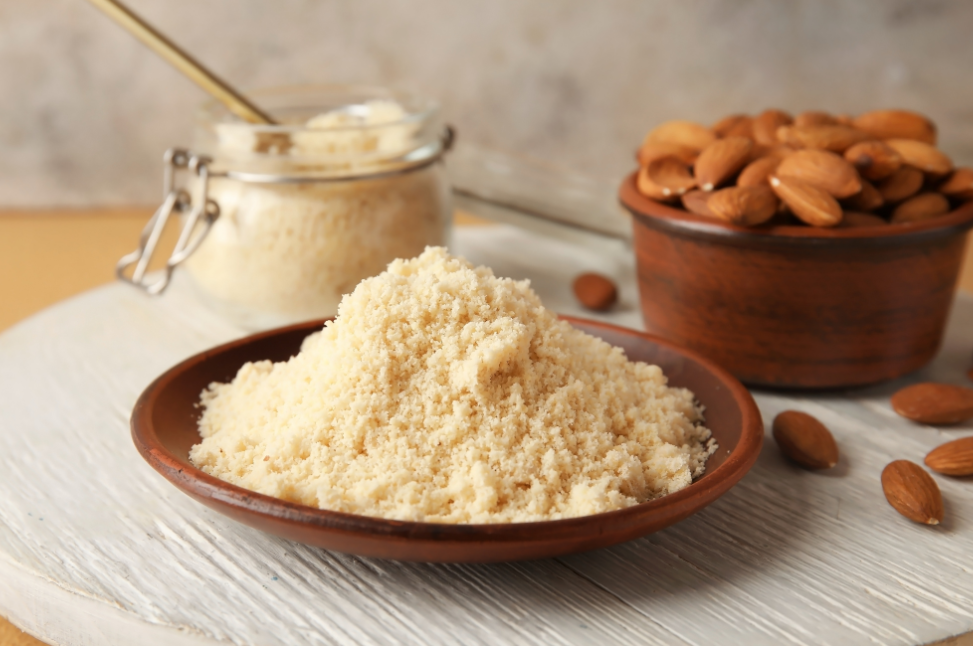
- Pancakes: CRaving a stack of pancakes? Go for almond flour pancakes instead of regular flour pancakes. They’re low-carb, fluffy, and just as delicious!
- Coating for Protein: When you’re in the mood for crispy chicken or fish, skip the bread crumbs and use crushed nuts for a crunchy, low-carb coating like pork rinds.
With a few simple swaps, keto meals can be just as delicious as your old favorites! If you need more help transitioning, the KetoKlub Menu is a great place to start. Packed with delicious, keto-friendly options, it takes the guesswork out of meal planning and makes sticking to your new lifestyle a breeze.
Your Easy Keto Start Guide: Keep It Simple & Stay On Track!

Getting started with the keto diet can feel overwhelming, but don’t worry! Let’s keep things simple so you can confidently step into this new lifestyle without all the confusion.
What to Avoid on Keto
Here’s a quick list of foods to cut back on or eliminate to stay in ketosis:
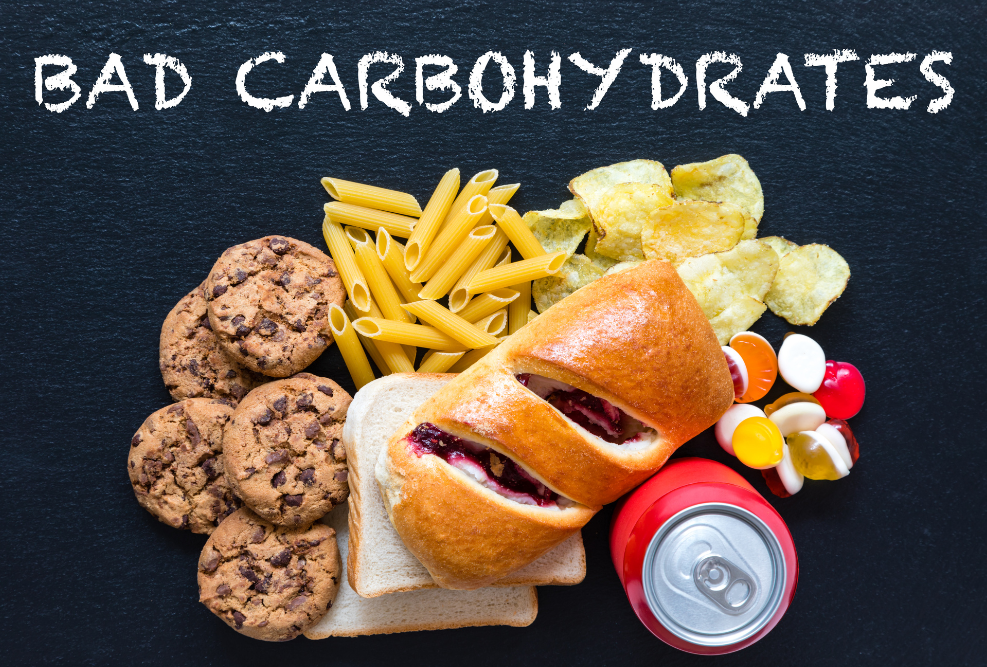
- Sugar: Soda, fruit juice, ice cream, candy, cakes, and more.
- Grains and Starches: Wheat products, rice, pasta, cereals, and bread.
- Most Fruits: Say no to most fruits, except for small portions of berries like strawberries.
- Beans and Legumes: Avoid peas, lentils, chickpeas, and kidney beans.
- Root Vegetables: No potatoes, sweet potatoes, carrots, or parsnips.
- Low-Fat and Diet Products: Avoid low-fat mayo, dressings, and diet snacks.
- Unhealthy Fats: Skip processed oils, low-fat condiments, and fried foods.
- Alcohol: Beer, wine, and mixed drinks are a no-go.
- Sugar-Free Diet Foods: Stay away from sugar-free candies, puddings, and desserts.
What to Eat on Keto
Focus your meals around these keto-friendly foods:
- Meats: Red meats (steak, bacon), chicken, turkey, and sausage.
- Fatty Fish: Salmon, mackerel, tuna, and trout.
- Eggs: Omega-3 eggs, preferably pastured.
- Healthy Fats: Grass-fed butter, heavy cream, olive oil, and avocado oil.
- Cheese: Unprocessed cheeses like cheddar, mozzarella, and goat cheese.
- Nuts & Seeds: Almonds, walnuts, chia seeds, and flaxseeds.
- Veggies: Non-starchy greens like spinach, kale, and broccoli.
- Condiments: Salt, pepper, herbs, and spices for flavor.
Tips
- Keep it simple: As you get more familiar with keto, start exploring more food options, but stick to the basics at first.
- Focus on labels: Always check food labels for fat, carbs, and fiber to make sure it fits your keto goals.
Once you get into the groove of things, keto will become second nature! Remember, this is about making healthy, low-carb choices to support your body and goals.
3. No Calorie Counting, Just Focus on Macros!
Say goodbye to obsessing over calorie counting! The keto diet isn’t about reducing calories—it’s about hitting the right balance of macronutrients (macros) to help your body thrive in ketosis.
For keto to work, you’ll need to stick to your dedicated macros:
- Fats to fuel your energy needs
- Proteins to support muscle and overall health
- Carbs to stay low enough to keep you in ketosis
While you can eat below your macro targets, it’s essential not to go over them, especially carbs, as this can kick you out of ketosis. That’s why tracking your macros is more important than counting calories on keto!
To find the ideal macro breakdown for your goals, check out our Macro Calculator —it’s quick and easy to use!
Once you know your numbers, focus on eating high-quality, keto-friendly foods that fit your macros. By prioritizing the right balance, you’ll unlock the benefits of ketosis without the hassle of calorie counting. Your body will thank you!
4. Boost Keto Benefits with Intermittent Fasting!
Intermittent fasting is a simple eating pattern where you cycle between periods of eating and fasting. It’s like giving your body a break from constant food, which helps lower insulin levels and supports weight loss. A popular method is the 16/8 rule: you fast for 16 hours (no food or drinks that raise your blood sugar) and then eat within an 8-hour window. For example, stop eating at 6 PM and have your first meal at 10 AM the next day.
When you combine intermittent fasting with the keto diet, you’re supercharging the benefits!
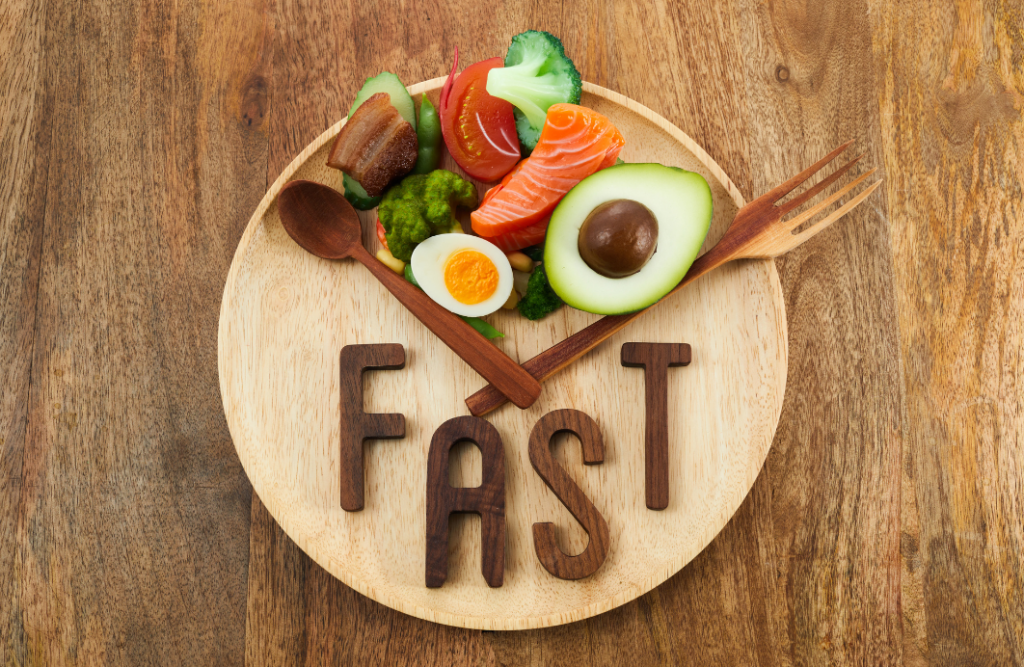
The combo helps regulate blood sugar levels, promotes fat burning, and keeps your energy steady. By fasting, your body switches into fat-burning mode, using stored fat for energy instead of relying on carbs. Plus, fasting helps keep your fat-storing hormone low, making it easier to lose weight.
It’s not about starving yourself—intermittent fasting simply changes when you eat to help your body burn fat more efficiently. Stick to keto-approved foods, fast for a while, and let your body work its magic!
5. Be Ready for the Keto Transition (And How to Breeze Through It!)
Starting a keto diet is an exciting step toward a healthier, more vibrant you! As your body shifts from burning carbs to using fat for energy, it’s natural to go through a brief adjustment period often called the “keto flu.” Don’t worry—this isn’t the flu, and it’s only temporary.
Some people notice minor changes as their body adapts, like:
- Feeling a bit less energetic for a few days
- Having difficulty focusing (sometimes called “brain fog”)
- Slight digestive shifts, like constipation or loose stools
- A little more hunger than usual
- Trouble sleeping or feeling off during workouts
These changes are simply part of your body learning a new way to fuel itself. The best part? You can minimize or even avoid these symptoms with a few simple steps!
Here’s how to make your transition as smooth as possible:
- Stay hydrated: Drink plenty of water, and add a pinch of salt or an electrolyte packet to replenish essential minerals.
- Fuel up with the right foods: Bone broth, non-starchy veggies (like kale, asparagus, and bell peppers), and lightly salted snacks can help keep you feeling great.
- Choose the right time to start: Begin your keto journey during a less hectic period, so you can relax and let your body adjust.
And remember—you’re not alone on this journey! The KetoKlub Crew is here to support you every step of the way. Whether you have questions, need encouragement, or just want to share your progress, we’re ready to help you crush your keto goals.
This adjustment period is just a small step toward the incredible benefits of ketosis, like steady energy, mental clarity, and balanced appetite. Stick with it—you’ve got this, and we’re here for you!
Starting a keto journey can be a life-changing experience, but like any big change, it takes time for your body to adjust. By understanding what to expect, managing side effects, and fuelling your body with the right nutrients, you’ll be on your way to feeling your best. Remember, the first few days are just the beginning of a healthier, more energized you. If you ever need more guidance, we’re here to help! Check out our BENEFITS OF KETO page for more on how keto can work for you.